Future Trends in Halal Pharmaceuticals

Emerging Trends and Market Opportunities
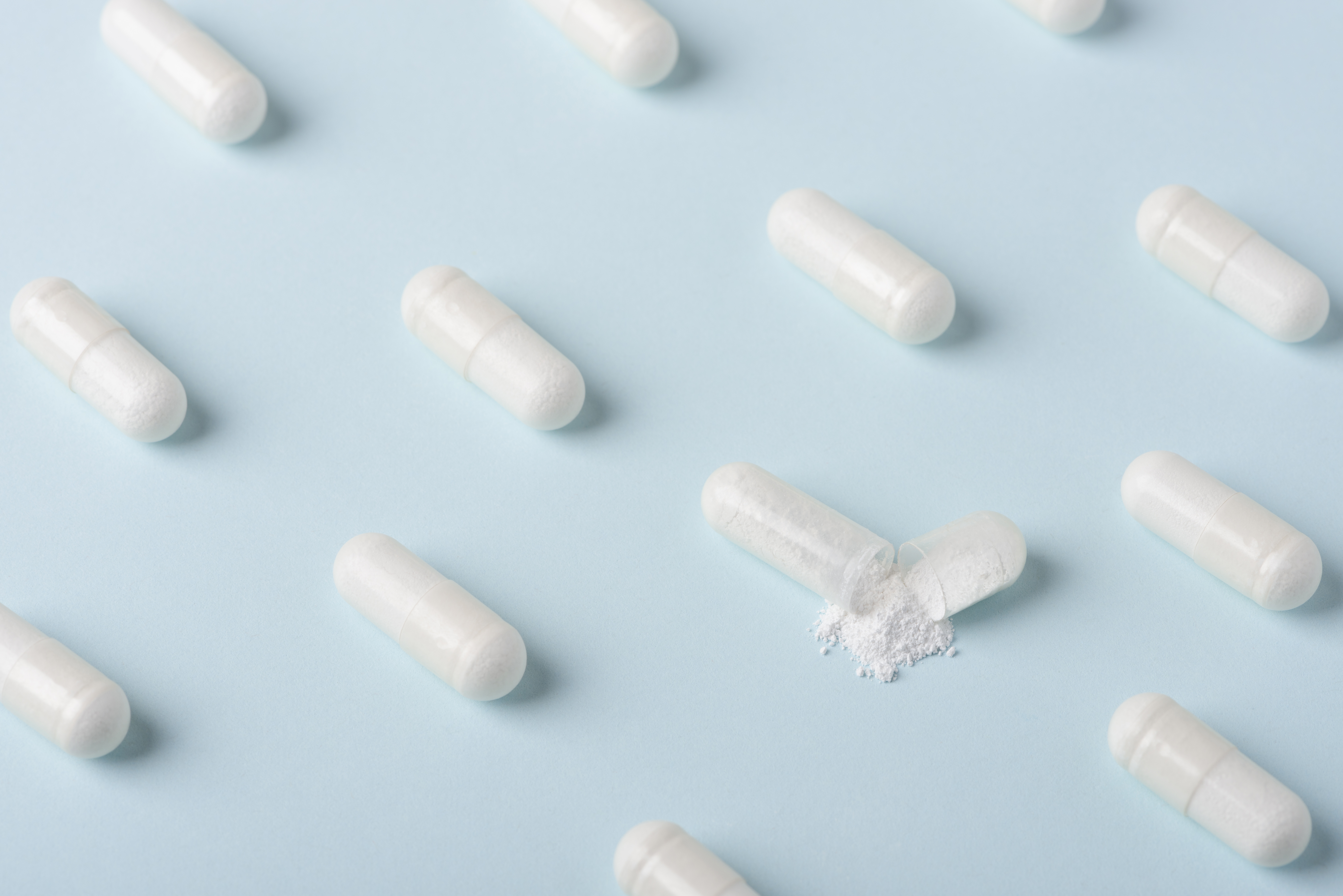
Halal Pharmaceutical products

Growth opportunities

The halal pharmaceutical industry is poised for significant growth, driven by increasing consumer demand and evolving regulatory frameworks. Emerging trends in some countries include the development of new halal-certified medications, the integration of advanced technologies to enhance product transparency, and the growing focus on ethical and clean labeling (AHF, 2024).

Potential Growth Areas

Future growth areas in the halal pharmaceutical market include expanding product offerings, improving certification processes, and leveraging technology to ensure compliance. For example, companies are exploring the use of plant-based and synthetic ingredients to replace non-halal components in medications. Additionally, advancements in blockchain technology are being used to enhance supply chain transparency and traceability, ensuring that all stages of production comply with halal standards (European Commission, 2024).

The Role of Consumer Awareness

As consumer awareness of halal products continues to grow, so does the demand for halal-certified pharmaceuticals. This trend is expected to drive further innovation and investment in the halal pharmaceutical sector, creating new opportunities for businesses to cater to the needs of the global Muslim population (Springer, 2024).

References

AHF. (2024). Halal Certification for Pharmaceuticals & Supplements. Retrieved from AHF

European Commission. (2024). Agri-Food Fraud: What does it mean?. Retrieved from European Commission

Springer. (2024). Global Perspectives on Halal Pharmaceuticals. Retrieved from Springer

Getting a Suntan is very dangerous, but NICE warns you NEED your Vitamin D

NICE have further warned the public about the dangers of sun exposure while getting a suntan.

There is no safe or healthy way to get a tan from sunlight, new guidance from the National Institute for Health and Care Excellence (NICE) has warned.

The health watchdog’s latest guidance also says an existing tan provides little protection against sun exposure.

Many adults in Britain have low levels of Vitamin D and the NICE guidance states that some exposure to sunlight can help to build this up.

NICE also says it is not possible to get enough Vitamin D by sitting next to a closed sunny window, or from sunlight between October and March in the UK.

Continue reading

Guidelines for Halal Certification of Medicines and Food Supplements – Brunei Darussalam

This post is a quick overview of the internationally recognised document and code on the Brunei Darussalam Guidelines for Manufacturing and Handling of Halal Medical Products, Traditional Medicines and Health Supplements. The aim of the guideline is to clarify the requirements which must be complied with in order to obtain an internationally recognised Halal Certificate and Halal Permit. The key part of this statement within the guide is that the ENTIRE PROCESS has to be deemed as Halal otherwise it is not considered Halal. This makes you wonder and question procedures around the world of companies who only claim to have Halal ingredients but not Halal procedures, yet then have “Certified Halal” stamped all over on their products, websites, leaflets, patient information leaflets, advertisements and so on. The certification process includes adequacy, compliance and any follow-up audits by appointed certified auditors. The Halal certificate will then be valid for one year from date of issue and renewal of the certification should be done not less than 30 days prior to the expiration date. The Halal label should be used on every relevant package/box after the Halal Permit has been issued. One of the key declarations in the guideline includes making sure every “manufacturer/place/place of business should produce/prepare only Halal product” in their production line. Every company that applies for the Halal certificate and label must ensure that “all raw ingredients used are Halal” and suppliers or sub-contractors who supply only Halal materials or have Halal certification are selected. Another key declaration within the guideline is “The use of equipment or appliances at the premises must be clean and free from filth according to Hukum Syara’ and not hazardous to health,” as well as making sure there is a good practice for a good code of work ethics with good hygiene practices and making sure all employees are trained on the Halal Principles. The full document will make you aware of, application procedures for Halal certificate and Halal label, discuss fees, expenditure, auditing, evaluation, maintenance, renewal as well as much more.

You can read and make yourself aware of the entire internationally recognised Brunei Darussalam Guidelines for Manufacturing and Handling of Halal Medical Products, Traditional Medicine and Health Supplements by clicking the link below: http://apps.who.int/medicinedocs/documents/s18036en/s18036en.pdf